Control Systems That Monitor and Respond Automatically
Arc Electric Inc designs, builds, and programs PLC control panels and automation systems for industrial applications in Butte, Montana.
When a motor overheats or a pump runs dry without anyone noticing until damage occurs, the problem usually comes down to the absence of sensors, alarms, or automated controls that monitor equipment conditions and respond before failures happen. Industrial operations in Butte and the surrounding area often rely on equipment spread across multiple buildings or remote locations where manual monitoring is impractical or impossible.
Arc Electric Inc operates a panel shop where programmable logic controllers and automation control panels are designed, wired, and tested before installation. The work includes integrating sensors that monitor motor temperature, pressure, flow, and other conditions, programming logic that generates alarms when equipment reaches fault thresholds, and building systems that allow operators to monitor and control equipment from a central location or remotely. Every system is tailored to the specific application and built to withstand the vibration, dust, and temperature extremes common in industrial environments.
Talk with Arc Electric Inc about automation and PLC control solutions in Butte to monitor equipment conditions, reduce downtime, or integrate new sensors and alarms into existing systems.
How Automation Systems Are Built and Integrated
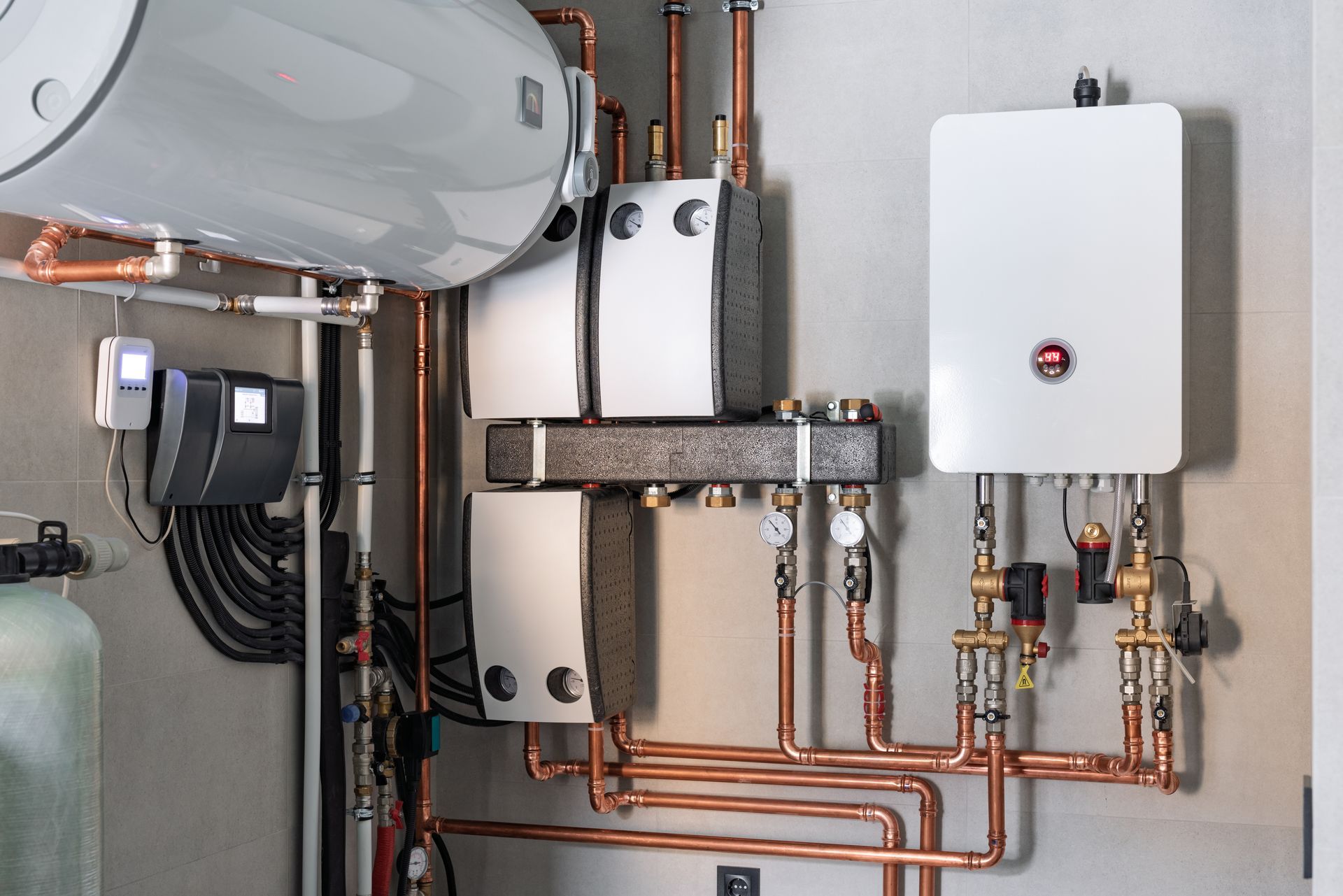
Your electrician will meet with your operations team to understand what equipment needs monitoring, what conditions indicate a problem, and how alarms should be delivered when faults occur. The panel is then built in the shop with all wiring labeled, tested for continuity, and programmed with the logic required to monitor inputs, evaluate conditions, and trigger outputs such as alarms, shutdowns, or notifications sent to your phone or email.
After installation, your system will continuously monitor sensor readings, compare them to programmed thresholds, and alert you the moment a motor reaches unsafe temperature, a tank level drops too low, or any other fault condition occurs. You will be able to view live data from a touchscreen panel, a computer on your network, or remotely from a phone, and your equipment will shut down automatically if conditions exceed safe operating limits.
The electrician will also provide documentation showing wiring diagrams, ladder logic programs, and instructions for adjusting setpoints or adding sensors as your operation changes. If your facility already has a PLC system that needs troubleshooting, upgrades, or integration with new equipment, existing programs can be modified and tested without replacing the entire control panel.
What to Ask Before Installing Automation
Operators and facility managers often want to know what sensors are required, how alarms are configured, and whether existing equipment can be integrated into a new control system.
Arc Electric Inc builds automation and control panels for industrial operations throughout Butte and the surrounding region, including facilities where equipment monitoring and alarm integration are critical to preventing costly downtime. If your operation needs sensors installed, alarms configured, or a new PLC system designed to monitor conditions across multiple locations, get in touch to discuss your application and receive a detailed proposal that includes panel design, programming, and installation.